Strategic Integration Guides for Pharmaceutical Control Systems
Industry
Pharma
Scope
Technical Documentation / System Integration / Connectivity Architecture
Timeframe
1 month
-
1
month of estimated timeframe to complete comprehensive documentation for a single system
-
5+
integration modules, including connectivity, control, hardware, signal, and network mapping
-
100%
alignment between hardware objects and DCS supervisory layers.
01
CLIENT
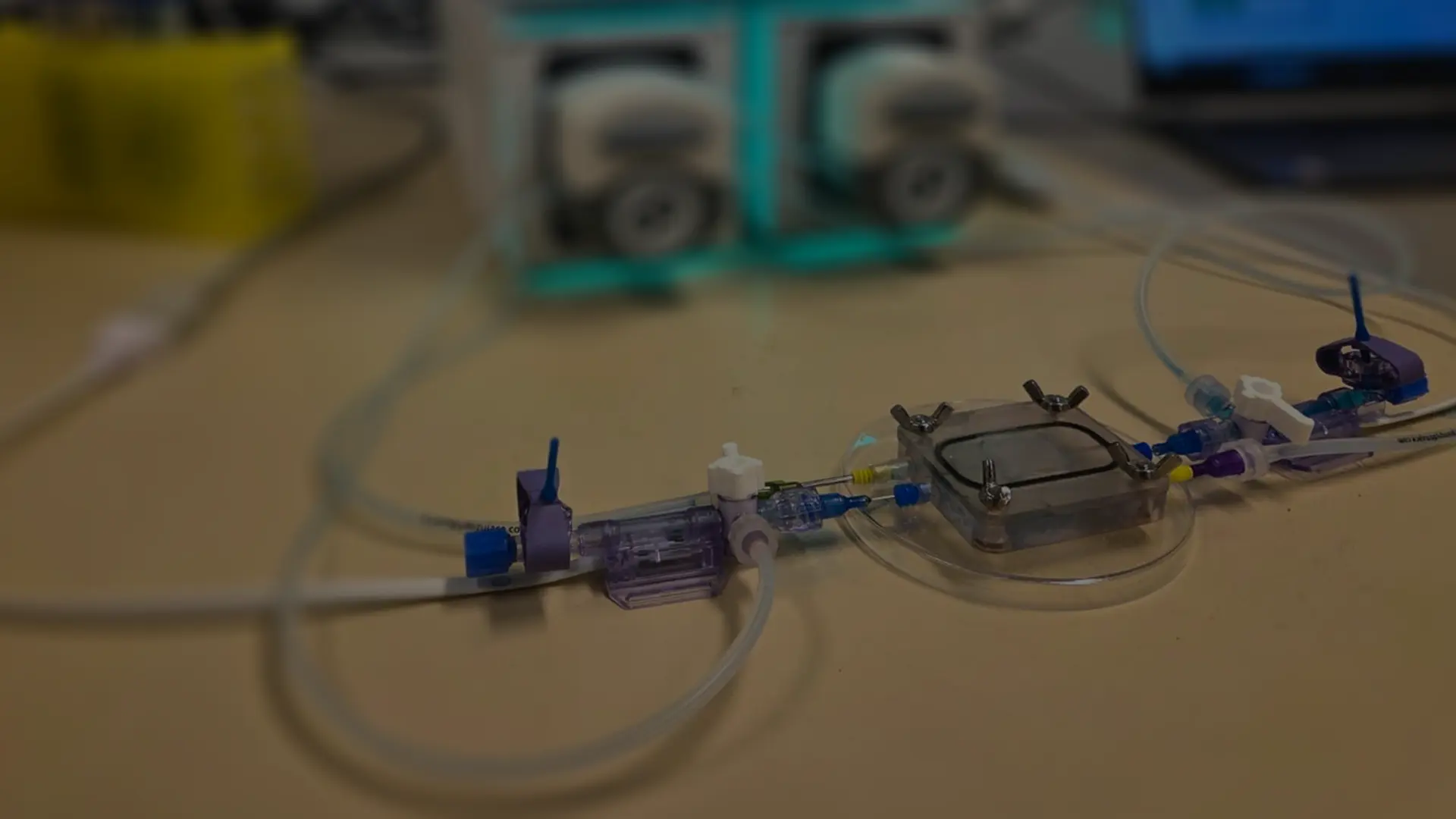
A leading provider in the pharmaceutical industry specializing in downstream process equipment, such as Tangential Flow Filtration (TFF) systems. The client focuses on delivering high-end hardware that requires seamless integration into various end-user environments.
02
BUSINESS NEEDS
The client identified a critical market need for end-users who purchase hardware without the original software suite. These users must integrate the equipment independently into their own supervisory systems, such as SCADA or Distributed Control Systems (DCS). To facilitate this, the client required standardized, comprehensive integration guides to ensure technical compatibility and reduce time-to-market for final installations.
03
CHALLENGE
To help our client achieve its goals, we overcome the following challenges:
-

Complex Connectivity Mapping
Precisely describing the physical and logical connections to diverse Distributed Control Systems (DCS). -

System Component Instantiation
Documenting how to integrate and instantiate existing OT objects within physical hardware components, such as Control Boxes and Pump Carts. -

Scalability and Adaptation
Designing the integration framework to prioritize future growth and adaptation without requiring significant reinvestments in new technology. -

Standardization of Logic
Documenting the safety, security, and simulation logic required for PLC testing on virtual machines without needing physical device connections.

04
SOLUTION
We provided a comprehensive suite of technical documentation and integration strategies designed to bridge the gap between pharmaceutical hardware and supervisory control software.
- Detailed Integration Deliverables Creation of exhaustive guides covering DCS connection descriptions, network configurations, hardware lists, and signal lists.
- OT Component Documentation In-depth control descriptions for each system device, ensuring that software and hardware components work flawlessly together.
- Testing and Validation Framework Documenting simulation strategies on virtual PLCs to enable rigorous testing before physical implementation.
- Biotech-Specific Application Guides Ensuring the documentation covers diverse processes, including media preparation, viral inactivation, and antibody drug conjugation.


This project required a seamless integration of cutting-edge technology with robust project management practices. The key to success was maintaining transparent and continuous communication with customer teams, ensuring all stakeholders were aligned while focusing on technical proficiency. Our commitment to high coordination and problem-solving guided the project toward meeting its strategic objectives in system documentation.
Krystian Maskulanis
Industrial Systems Engineering Lead
Technology used
05
OUTCOME
The resulting documentation provides a scalable and reliable foundation that enhances productivity and flexibility in pharmaceutical manufacturing.
- Standardized Integration End-users can now seamlessly expand their systems with customizable pumps, sensors, and filters while maintaining high safety standards.
- Reduced Implementation Risk Comprehensive simulation and safety logic documentation ensure adherence to high standards of operational safety.
- Enhanced Scalability Leveraging both A4BEE’s technology solutions and existing customer frameworks makes the hardware effectively manageable across various manufacturing stages.
- Market Competitive Advantage Standardized guides empower the client to sell hardware more effectively to a broader range of customers using different supervisory platforms.
06
IMPLEMENTED SOLUTION
-

DCS Connectivity Guides
Step-by-step instructions for physical and logical network integration. -
Signal & Hardware Mapping
Comprehensive lists for seamless data collection and real-time visualization. -

Process Control Descriptions
Detailed logic for remote monitoring and user-friendly interfaces. -
Virtual Testing Logic
Strategies for PLC simulation to ensure software/hardware compatibility.
-
1
month of estimated timeframe to complete comprehensive documentation for a single system
-
5+
integration modules, including connectivity, control, hardware, signal, and network mapping
-
100%
alignment between hardware objects and DCS supervisory layers.